
Let’s Green the Pantry
For 50 million Americans food pantries offer a lifeline. The irony is, that 72% of adults who are food insecure are also overweight or obese! In addition, many food insecure adults evince a sense of shame visiting a pantry. How did we get here?
But the real question is: How do we flip the pantry and remove the stigma attached to them while at the same time make them healthier.
The history
In one form or another food pantries and soup kitchens have been with us since the great depression. Beginning as a temporary solution to what was thought of as temporary problem – food pantries and soup kitchens provided meals to the hungry in the aftermath of the of Wall Street collapse of 1929.

Each day these soup kitchens served a nutritious meal of soup and bread to millions of Americans who could not buy food. The kitchens were an emergency measure meant to provide for the needy until prosperity returned. The depression however, would last into the 1940’s.
Then and now
After a brief illusory respite during the roaring fifties, hunger and food insecurity continued to pervade American society. The problem became large enough to warrant the incubation of the first Food Bank by a Soup Kitchen volunteer John Van Hengel in 1967 in Arizona. Subsequently, called Second Harvest and a few years ago rechristened Feeding America, this organization has over 200 food banks serving over 40,000 food pantries nationwide serving 3.6 billion meals to 46 million Americans. Pantry visits have skyrocketed. In 2000, about 17 million Americans used a pantry. By 2016 that number has grown to 50 million! Today the US has over 300 Food banks who service 60,000 pantries who provide free food to more than 50 million food insecure people spread across EVERY county in the United States. What statistics!
Food pantries are basically a repository for donated and subsidized food run by charities, non-government agencies or religious organizations. Typically, they buy food at highly discounted rates from Food banks such as Feeding America, or other local or state sponsored agencies. In large part, they depend on donations from all of us including individuals, food companies, farmers markets, supermarkets, local bakeries etc. The pantries themselves, run by a small staff and community minded volunteers are generally open to all in need.
For many Americans, food pantries bridge the gap at month’s end when their SNAP benefits (earlier known as food stamps) run out and they are still days away from their next paycheck or when the new monthly government benefits are replenished.
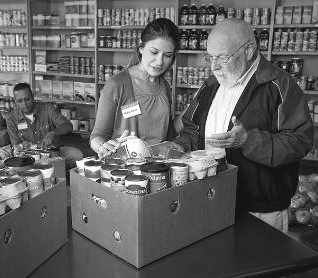
Pantries are well intentioned, but can only distribute what is donated.
Not having the preservation methods that a grocery store has, the traditionally donated foods are non-perishable items such as canned goods, processed foods and a huge quantity of bread and bakery products. While convenient and shelf stable, these foods are typically high in sugar, sodium, simple carbohydrates and saturated fat, not to mention preservatives.
If the typical food pantry was a person, chances are they would be obese, suffer from heart disease, diabetes and borderline malnutrition. This is borne out by the staggering statistic that 72% of those who receive food assistance are obese while the general population hovers at 35-40%.
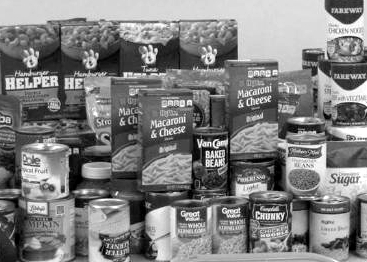
The sad reality is that most donors tend to donate rather unthinkingly and it becomes more of an excess inventory dump than true donation for sustenance and health. Additionally, the cheapest food in America seems to be the unhealthiest. This is a situation that has been caused by decades of subsidies that make corn and it’s unhealthy byproducts more affordable than a head of broccoli.
We need to see a change in attitudes all along this chain. Donors need to understand how important it is to not donate food that they wouldn’t consume themselves. Food pantry staff who work hard to provide food to the hungry and are so grateful for anything they receive. They must now understand that hunger has to be addressed via good nutrition. The hungry have to be made aware that nutritious choices do exist even amidst slim pickings.
It’s also time for a small shift in government policies regarding food subsidies. Virtually everyone agrees this is necessary. For instance, the US government spent nearly $11 BN to subsidize corn and soy but only $1.6 BN on fruits and vegetables. This can change. For a start, lets mandate the inclusion of fresh fruits and vegetables in every delivery to the pantry. Lets go further by providing subsidies for transportation services of produce to pantries.
Making the pantries green
Let’s help make the food pantries greener with more nutritious fresh vegetables and fruits. Let’s make them places where people can learn to make healthy eating choices or get advice on how to grow a mini garden. Let’s help pantries teach their communities how to prepare healthy, low cost meals. Let’s remove the stigma of visiting a pantry. Let’s make the pantry more like a community cupboard, a place where people can meet, learn and share.